Picture this: a customer in Phoenix clicks Buy Now and your product ships from a warehouse in New Jersey. Two days become five. A happy customer turns into a return request. The frustrating part? The problem had nothing to do with shipping speed and everything to do with where your inventory was sitting.
Most growing brands obsess over carrier rates and packaging costs, but inventory placement is the quiet variable that shapes nearly every delivery outcome. Get it right and you shorten routes, shrink costs, and delight customers. Get it wrong and you pay premium rates to fix a geography problem that keeps repeating.
Where your stock lives is just as important as how fast you ship it.
What Inventory Distribution Actually Means
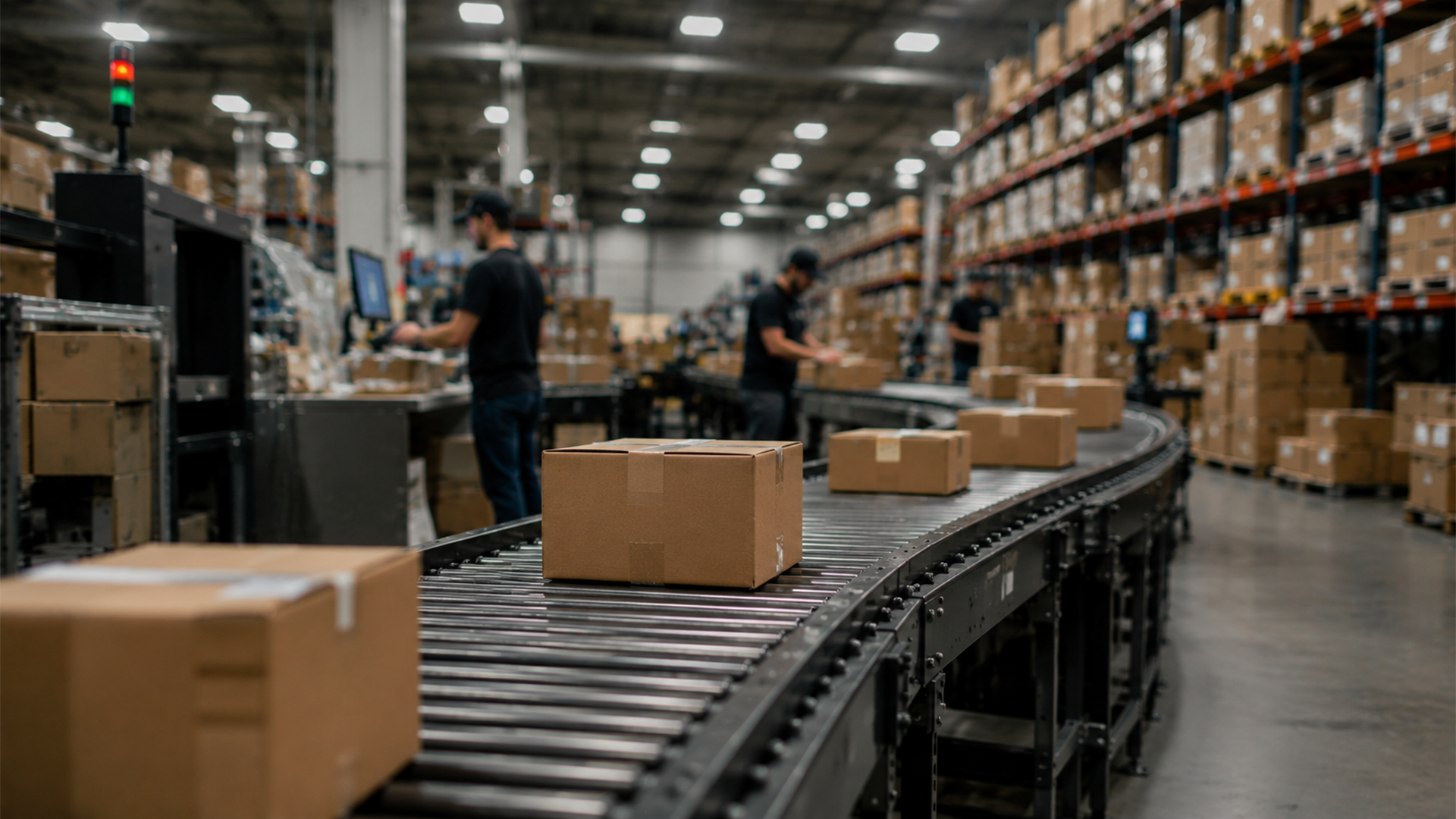
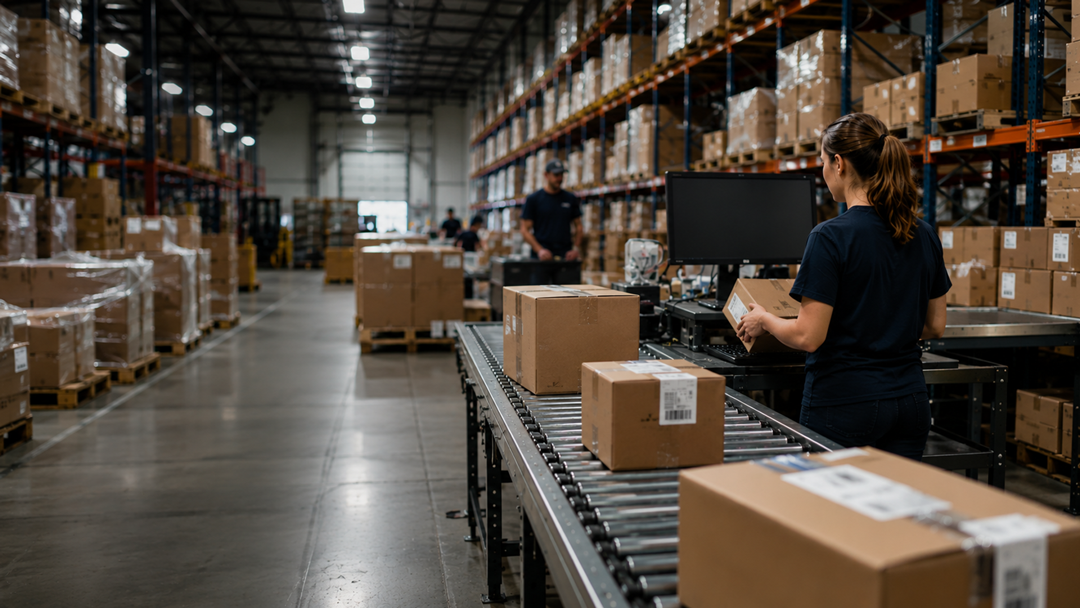
Inventory distribution is the practice of positioning stock across multiple fulfillment centers so that a higher percentage of your orders are already close to their destination before they are ever picked. Instead of housing everything in one central warehouse, you split product across strategically chosen nodes -- say, one near the East Coast, one in the Midwest, and one serving the West.
The logic is pure geography. A parcel traveling 200 miles arrives faster and costs less than one traveling 2,000 miles, even if the carrier and service level are identical. Elevation Distribution operates across 60-plus fulfillment centers worldwide, which means brands can serve their entire customer base from positions of geographic advantage rather than geographic compromise.
The Math Behind the Time Savings
Domestic ground shipping within a single zone typically delivers in one to two business days. Cross-country ground can run four to five days. For a brand doing 5,000 orders a month, the difference between a two-zone average and a four-zone average can translate to thousands of late shipments annually -- each one a potential negative review.
Smart placement compresses your average delivery distance. Brands that split inventory regionally often see average transit times drop by 30 to 40 percent without changing their carrier relationships or spending more per shipment. The savings on shipping costs alone frequently offset warehousing fees at a second or third location.
The Hidden Impact on Customer Satisfaction
Speed is the single most cited factor in post-purchase satisfaction surveys. Customers who receive orders faster leave higher ratings, buy again sooner, and are far less likely to initiate a return just to see what happens. When your fulfillment partner positions inventory intelligently, that satisfaction uplift happens automatically -- you do not need a new marketing campaign or a loyalty program.
Elevation Distribution's 99 percent on-time shipping rate is not accidental. It is the outcome of pairing accurate order processing with inventory that is already where it needs to be.
When to Start Thinking About Multi-Location Fulfillment
There is no magic order threshold, but a practical signal is when your shipping zone report shows that more than 20 percent of your orders are traveling four or more zones. At that point, a second fulfillment node typically pays for itself quickly in reduced carrier costs and improved conversion from customers who filter by estimated delivery date before buying.
Brands on platforms like Shopify, Amazon, or Walmart increasingly see delivery speed displayed alongside the product listing. Faster estimated delivery windows drive higher click-through and conversion rates. Inventory placement is, quietly, a marketing advantage.
Making the Move Without the Operational Headache
The common objection to multi-location fulfillment is complexity. Managing inventory levels across locations, routing orders to the right node, and keeping oversell risk in check sounds like a full-time operational project. With the right partner, it does not need to be.
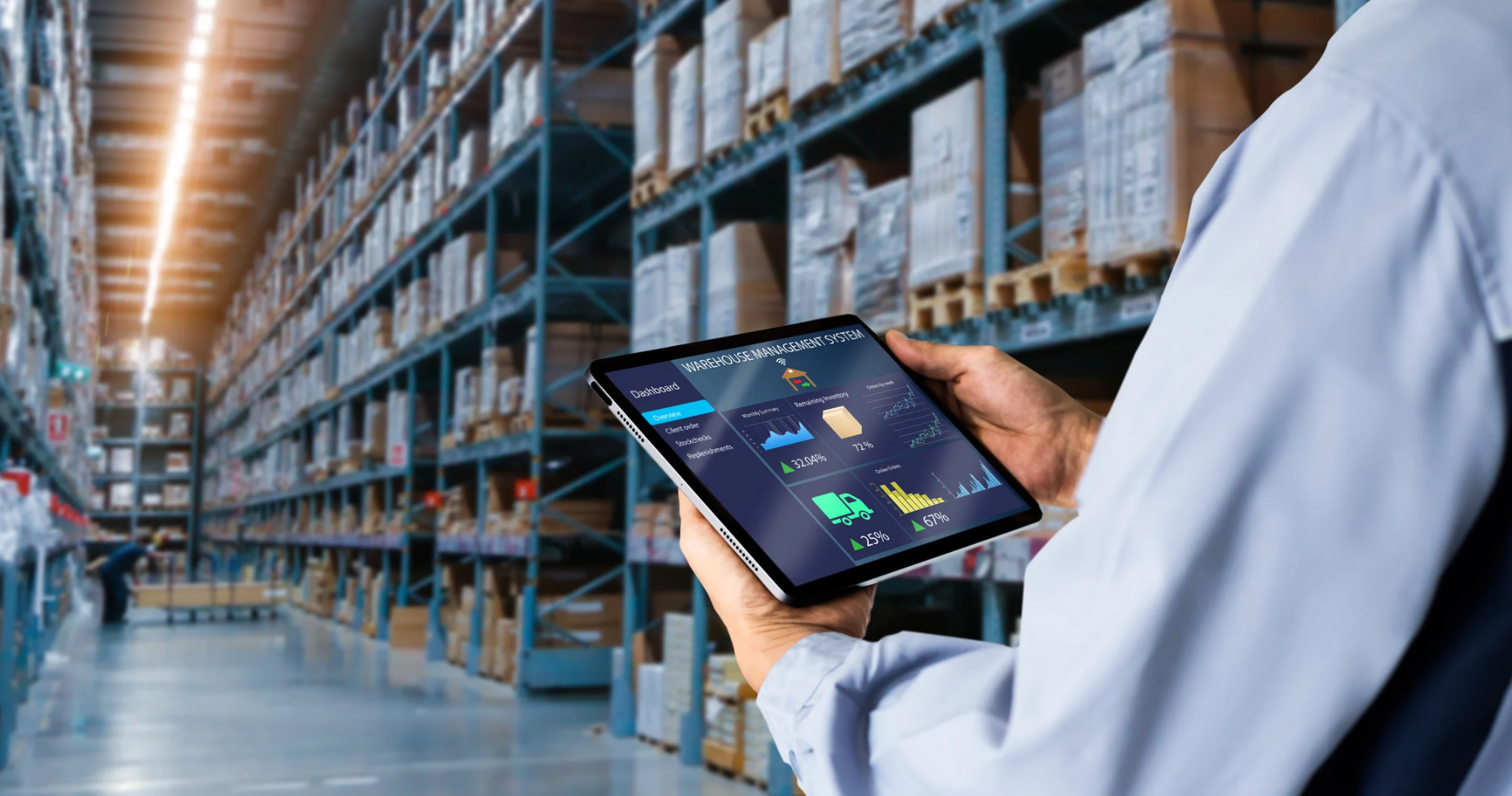
Elevation Distribution's platform handles order routing automatically, syncs inventory across locations in real time, and provides the full visibility dashboard brands need to stay in control. You define the rules. The system executes. Your customers get faster deliveries and you get a supply chain that scales with demand instead of buckling under it.
Growing your brand should not mean managing a logistics nightmare. It should mean letting geography work for you.