
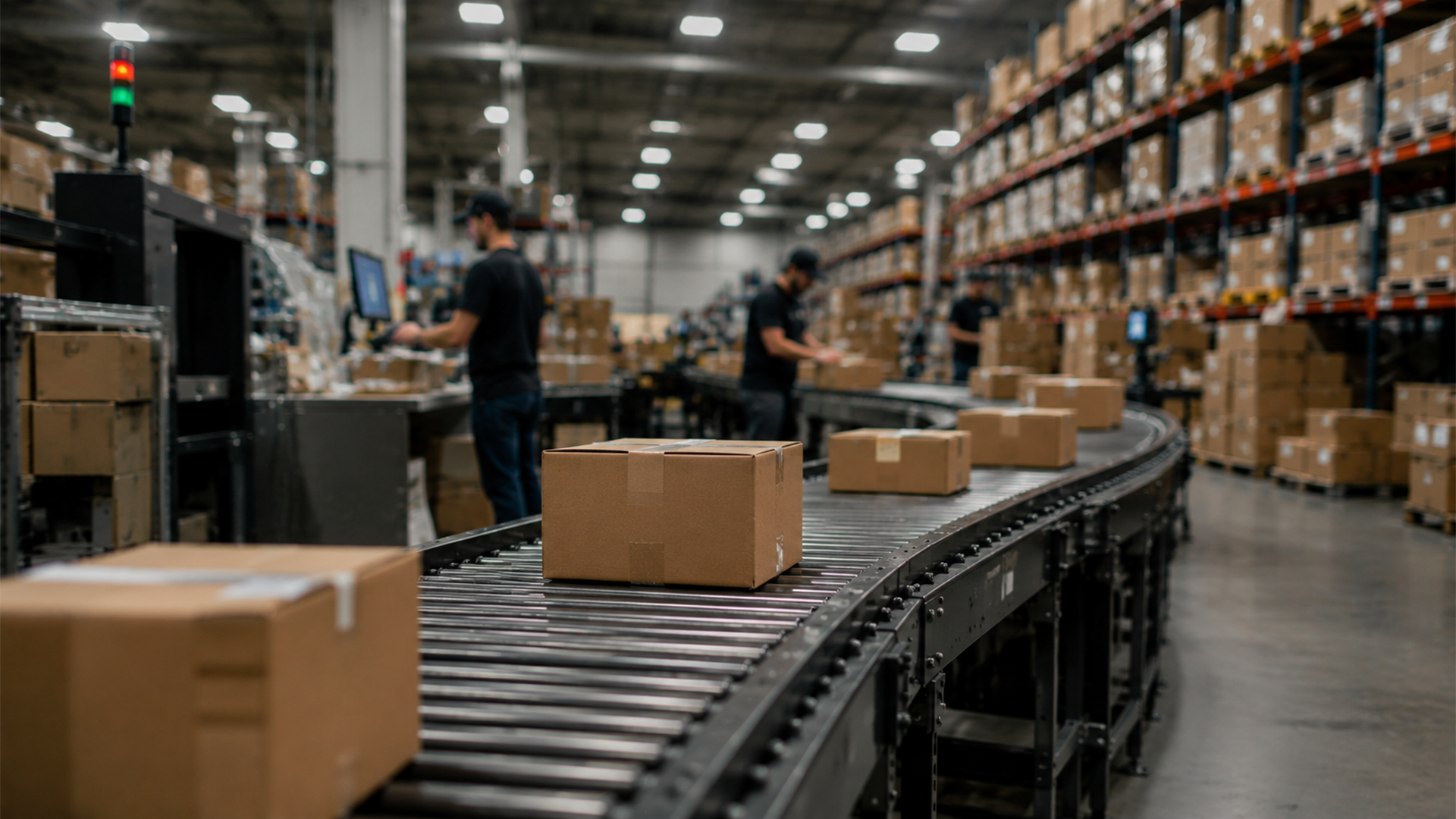
Speed has become one of the defining expectations in modern commerce. Customers no longer view fast shipping as a premium service. They expect it as a standard part of the buying experience.
For businesses, meeting those expectations consistently is not always easy.
As eCommerce continues to grow and customer demand increases, fulfillment operations become significantly more complex. Inventory management, warehouse coordination, shipping timelines, order accuracy, and real time tracking all require careful organization and operational efficiency.
Many businesses eventually discover that managing fulfillment internally creates limitations that slow growth rather than support it.
This is why more companies are turning to third party logistics providers, commonly known as 3PL providers.
By outsourcing warehousing, inventory management, and fulfillment operations to specialized logistics partners, businesses can improve shipping speed, reduce operational bottlenecks, and create a more scalable fulfillment infrastructure.
In today’s highly competitive marketplace, partnering with a 3PL provider is no longer simply about convenience. It has become a strategic advantage.
Understanding the Role of a Third Party Logistics Provider
A third party logistics provider manages key fulfillment and supply chain operations on behalf of businesses.
Rather than handling warehousing and shipping internally, companies partner with logistics providers that specialize in inventory storage, order processing, and distribution management.
A typical 3PL provider may offer services such as:
- Inventory receiving
- Warehouse storage
- SKU management
- Order fulfillment
- Picking and packing
- Shipping coordination
- Returns processing
- Inventory reporting
- Fulfillment tracking
Many providers also offer centralized fulfillment platforms that allow businesses to monitor inventory and operational performance in real time.
This combination of operational expertise and technology driven visibility helps businesses streamline fulfillment while maintaining greater control over customer experience.
Why Faster Fulfillment Matters More Than Ever
Consumer expectations have changed dramatically over the last decade.
Customers now expect:
- Fast delivery times
- Accurate order fulfillment
- Real time shipment tracking
- Inventory availability
- Consistent delivery performance
At the same time, online competition continues increasing across nearly every industry.
Businesses that cannot fulfill orders quickly and reliably risk losing customers to competitors that can.
Fast fulfillment impacts far more than delivery speed alone. It also affects:
- Customer satisfaction
- Brand trust
- Repeat purchases
- Customer retention
- Online reviews
- Operational efficiency
In many cases, fulfillment performance directly shapes how customers perceive a brand.
This growing pressure has made efficient logistics operations one of the most important components of modern business success.
How Third Party Logistics Providers Improve Fulfillment Speed
Partnering with a 3PL provider allows businesses to access logistics infrastructure and operational expertise designed specifically for fulfillment efficiency.
Several factors contribute to faster fulfillment performance.
Organized Warehouse Operations
Warehouse organization plays a critical role in fulfillment speed.
Disorganized inventory layouts, inconsistent storage procedures, and manual tracking systems create delays throughout the fulfillment process.
Third party logistics providers typically operate structured warehouse environments optimized for efficient inventory movement and order processing.
This includes:
- Organized inventory storage
- SKU categorization
- Standardized workflows
- Optimized picking processes
- Streamlined packing procedures
These systems reduce time spent locating products and processing orders, allowing shipments to move through fulfillment operations more quickly.
Faster Inventory Receiving and Processing
Efficient fulfillment begins long before an order is placed.
If inventory is not properly received and organized when it enters the warehouse, fulfillment delays become far more likely later.
3PL providers often implement structured inventory intake procedures designed to improve accuracy and organization from the start.
This helps businesses reduce:
- Inventory discrepancies
- Product misplacement
- SKU confusion
- Delayed stock availability
Better inventory organization creates smoother fulfillment operations overall.
Access to Scalable Fulfillment Infrastructure
One of the biggest challenges businesses face is scaling fulfillment during periods of rapid growth.
As order volume increases, internal systems often become overwhelmed.
This can lead to:
- Slower shipping times
- Fulfillment bottlenecks
- Increased order errors
- Operational stress
- Employee burnout
Third party logistics providers are typically designed to handle fluctuating order volume more efficiently.
Because fulfillment is their core focus, they often have:
- Larger warehouse capacity
- Trained fulfillment teams
- Established workflows
- Operational flexibility
- Scalable technology systems
This infrastructure allows businesses to maintain faster fulfillment speeds even during peak demand periods.
Real Time Inventory Visibility Improves Efficiency
Inventory visibility is essential for fast fulfillment.
Without accurate inventory tracking, businesses risk overselling products, delaying shipments, or struggling with replenishment planning.
Modern 3PL providers frequently offer centralized fulfillment platforms that provide real time operational visibility.
This allows businesses to:
- Monitor stock levels
- Track inventory movement
- Review fulfillment activity
- Identify low inventory earlier
- Improve forecasting decisions
Access to accurate inventory data reduces delays caused by inventory confusion or stock inaccuracies.
Reduced Shipping Coordination Complexity
Shipping operations can quickly become overwhelming for growing businesses.
Managing carriers, tracking shipments, coordinating packaging, and monitoring delivery performance all require significant operational oversight.
Third party logistics providers simplify this process by managing shipping coordination directly within their fulfillment operations.
Many providers also have established relationships with shipping carriers, helping streamline delivery workflows and improve operational efficiency.
This centralized approach reduces logistical friction and supports faster order movement from warehouse to customer.
Improved Order Accuracy
Fast fulfillment is important, but speed alone is not enough.
Customers also expect accurate orders.
Incorrect shipments create expensive operational problems, including:
- Returns processing
- Refund requests
- Customer complaints
- Lost trust
- Negative reviews
3PL providers typically use standardized fulfillment workflows and inventory management systems that improve order accuracy while maintaining fulfillment speed.
This operational consistency becomes especially valuable for businesses managing:
- Large product catalogs
- Multiple SKUs
- Product bundles
- Seasonal inventory
- Multi channel sales
Accurate fulfillment supports both operational efficiency and stronger customer experiences.
Allowing Businesses to Focus on Growth
Managing warehousing and logistics internally requires enormous time and operational attention.
Businesses often spend valuable resources coordinating fulfillment rather than focusing on activities that directly support growth.
Partnering with a 3PL provider allows businesses to redirect energy toward:
- Marketing
- Product development
- Customer acquisition
- Brand strategy
- Sales growth
- Customer relationships
Instead of building warehouse infrastructure and managing fulfillment complexity internally, companies can leverage existing logistics systems designed for scalability.
This operational support creates more room for strategic growth.
Technology Is Transforming Fulfillment Operations
Modern fulfillment is increasingly driven by centralized technology and operational visibility.
Businesses relying on spreadsheets, disconnected systems, or manual workflows often struggle to compete with more streamlined operations.
Many third party logistics providers now offer technology platforms that centralize:
- Inventory management
- Order tracking
- Fulfillment reporting
- Billing visibility
- Operational performance monitoring
This level of visibility allows businesses to make faster and more informed decisions while maintaining greater control over fulfillment operations.
Technology driven logistics systems are becoming essential for businesses seeking long term scalability and operational efficiency.
Choosing the Right Third Party Logistics Partner
Not all logistics providers offer the same level of operational support.
Businesses evaluating a 3PL partnership should consider several important factors.
Scalability
A provider should be capable of supporting future growth, not just current operational needs.
Inventory Management Systems
Strong inventory visibility and centralized reporting tools improve operational transparency and fulfillment accuracy.
Fulfillment Accuracy
Reliable fulfillment performance is essential for maintaining customer trust.
Communication and Support
Strong communication helps businesses maintain confidence in daily operations and fulfillment coordination.
Industry Experience
Providers familiar with specific product categories or fulfillment requirements may offer more efficient operational support.
Final Thoughts
Fast and reliable fulfillment has become one of the most important competitive advantages in modern commerce.
As customer expectations continue rising, businesses need logistics operations capable of supporting speed, accuracy, and scalability.
Partnering with a third party logistics provider allows businesses to streamline warehousing, improve inventory visibility, reduce fulfillment bottlenecks, and create faster delivery experiences for customers.
Beyond operational efficiency, outsourcing fulfillment creates flexibility that allows businesses to focus more attention on growth and long term strategy.
In today’s marketplace, fulfillment is no longer simply a backend operation. It is a direct reflection of a company’s reliability, organization, and commitment to customer satisfaction.