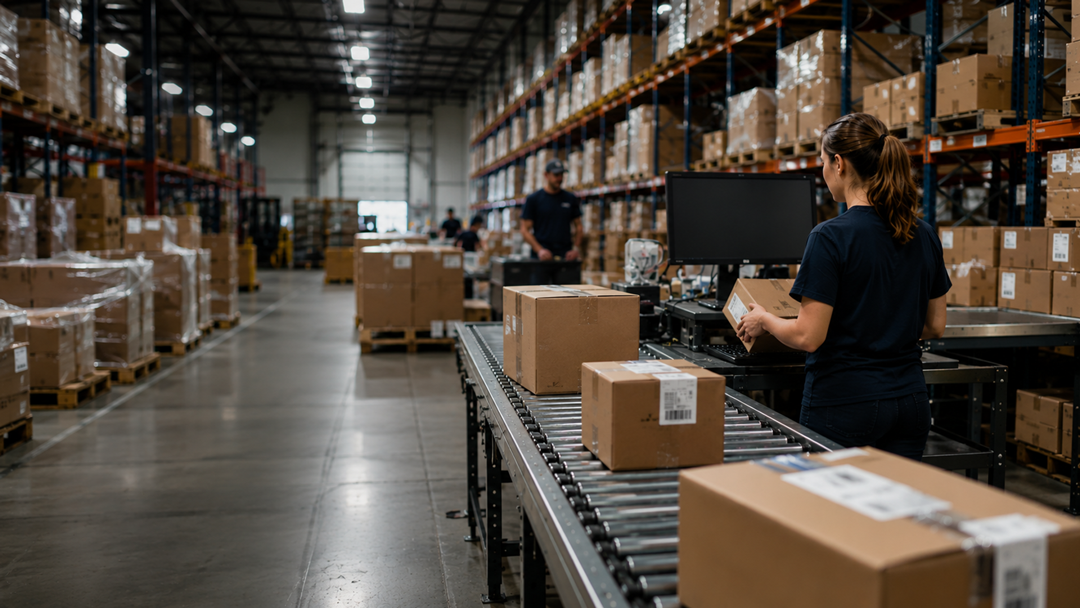

Most e-commerce brands build their logistics strategy by solving the immediate problem in front of them. Shipping 50 orders a week from the garage: fine. Shipping 500 a week: hire a part-time packer. Shipping 5,000 a week: suddenly you have a facilities lease, a warehouse team, a fleet of boxes, and a logistics operation that consumes more management bandwidth than your product team.
The brands that scale cleanly are the ones that think a few steps ahead -- not years ahead, but enough to build logistics infrastructure that grows with demand rather than collapsing under it. The difference between these two outcomes is usually not budget. It is architecture.
Stage 1: Getting the Foundation Right
In the early stages, fulfillment speed and accuracy matter more than cost optimization. Your first goal is getting product to customers reliably, building the review base that early-stage brands depend on for growth. Errors and delays at this stage are disproportionately damaging because each unhappy customer represents a large percentage of your total customer base.
The operational foundation to build at this stage is: consistent inventory management, a scalable integration between your sales channels and fulfillment workflow, and clear exception-handling procedures for the things that inevitably go wrong. These processes do not need to be complex, but they need to exist and be reliable.
The brands that hit growth ceilings are rarely limited by marketing. They are limited by supply chains that were not built to scale.
Stage 2: Recognizing the Inflection Points
Growth creates predictable inflection points where logistics infrastructure needs to evolve. The first usually arrives around 200 to 500 orders per day, when manual processes become visibly unsustainable and error rates start climbing. The second arrives when your geographic customer distribution expands enough that a single fulfillment location creates meaningful delivery time disadvantages.
The mistake most brands make at these inflection points is waiting until the existing system is already failing before taking action. By that point, peak season may be approaching, or a marketing push is already driving traffic, and transitioning fulfillment infrastructure under pressure is far more difficult and risky than doing it proactively.
Building for Multi-Channel Growth
The brands that reach scale almost universally sell across multiple channels: their own storefront, Amazon, Walmart, and an increasing number of newer platforms. Each channel adds operational complexity unless the fulfillment infrastructure underneath is built to handle multi-channel orders natively.
Centralized inventory management, automated order routing, and real-time sync across all channels are the components that make multi-channel growth operationally manageable. Without them, each new channel you add multiplies your operational overhead. With them, adding a new channel is closer to flipping a switch than building a new process.
The Role of Visibility in Strategic Decision-Making
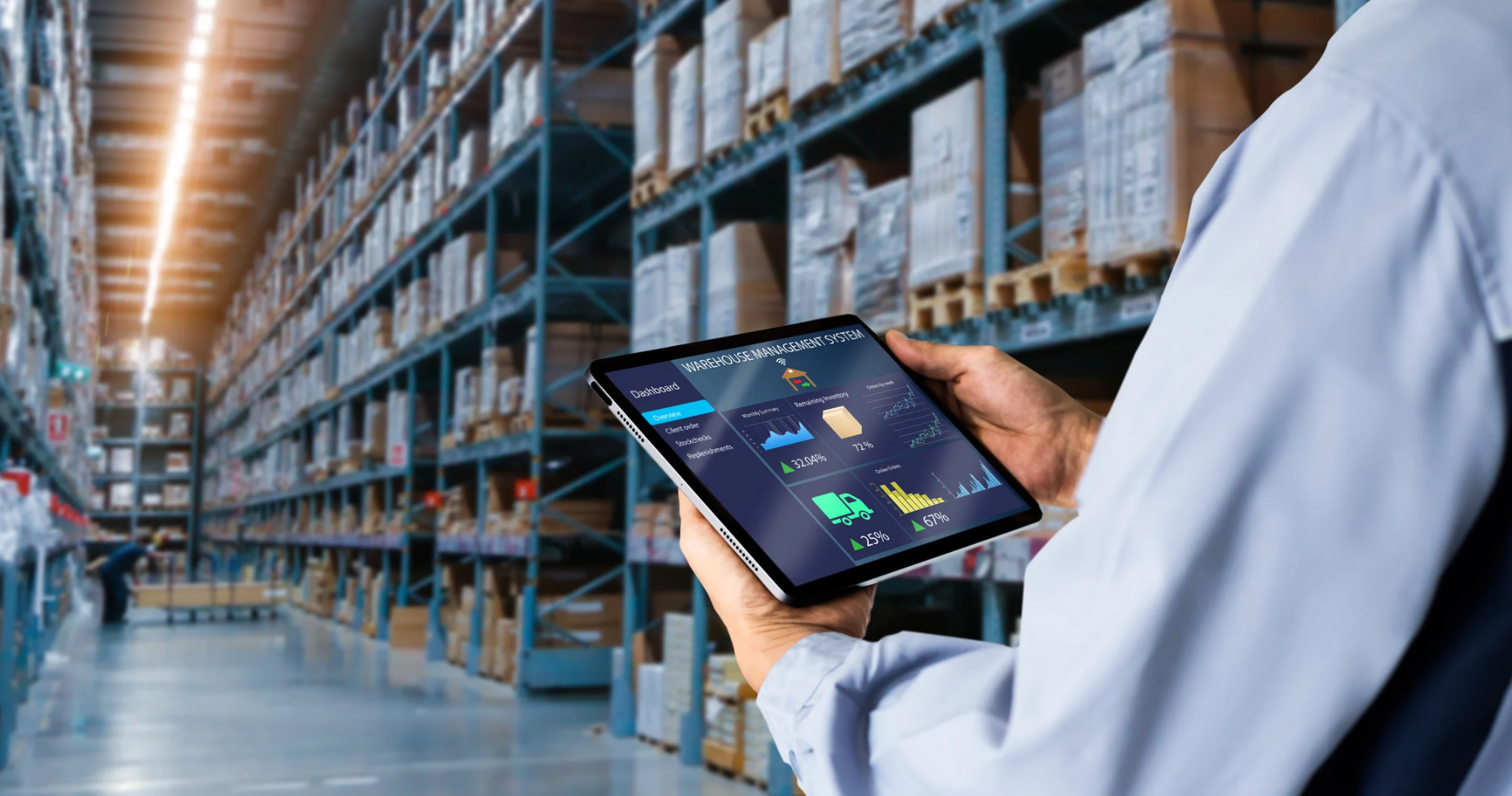
As your logistics operation grows, data becomes a strategic asset. Real-time visibility into inventory levels across locations, order status across channels, shipping performance by carrier and zone, and returns data by product and reason -- these inputs drive decisions about inventory planning, product assortment, carrier selection, and pricing.
Brands that operate with lagging or incomplete logistics data are making major financial decisions on incomplete information. Elevation Distribution's platform provides performance metrics and inventory tracking across all locations, giving growing brands the visibility they need to optimize rather than just operate.
When to Add Locations, When to Add Services
Two common scale-up decisions are adding fulfillment locations to improve delivery speed and adding services like kitting, custom packaging, or freight coordination to support product line growth. Both decisions should be data-driven rather than reactive.
Add a location when your shipping zone data shows a significant cluster of orders traveling too far from your current nodes. Add services when new product formats or customer acquisition strategies genuinely require them, not as a hedge. Every added complexity should earn its place by solving a measurable problem.
The Partner That Grows With You
The most important logistics decision most growing brands make is not which carrier to use or which warehouse management software to buy. It is which fulfillment partner to build with. The right partner is not just a vendor for your current needs -- it is infrastructure for your growth trajectory.
Elevation Distribution is built for exactly this arc: from the early stages where reliability and accuracy are everything, through the multi-channel complexity of mid-scale growth, to the global reach and operational sophistication that large-volume brands require. The platform scales because the infrastructure underneath it was designed to scale from the beginning.
Build your logistics strategy like you expect to need it for the long run. You will.