
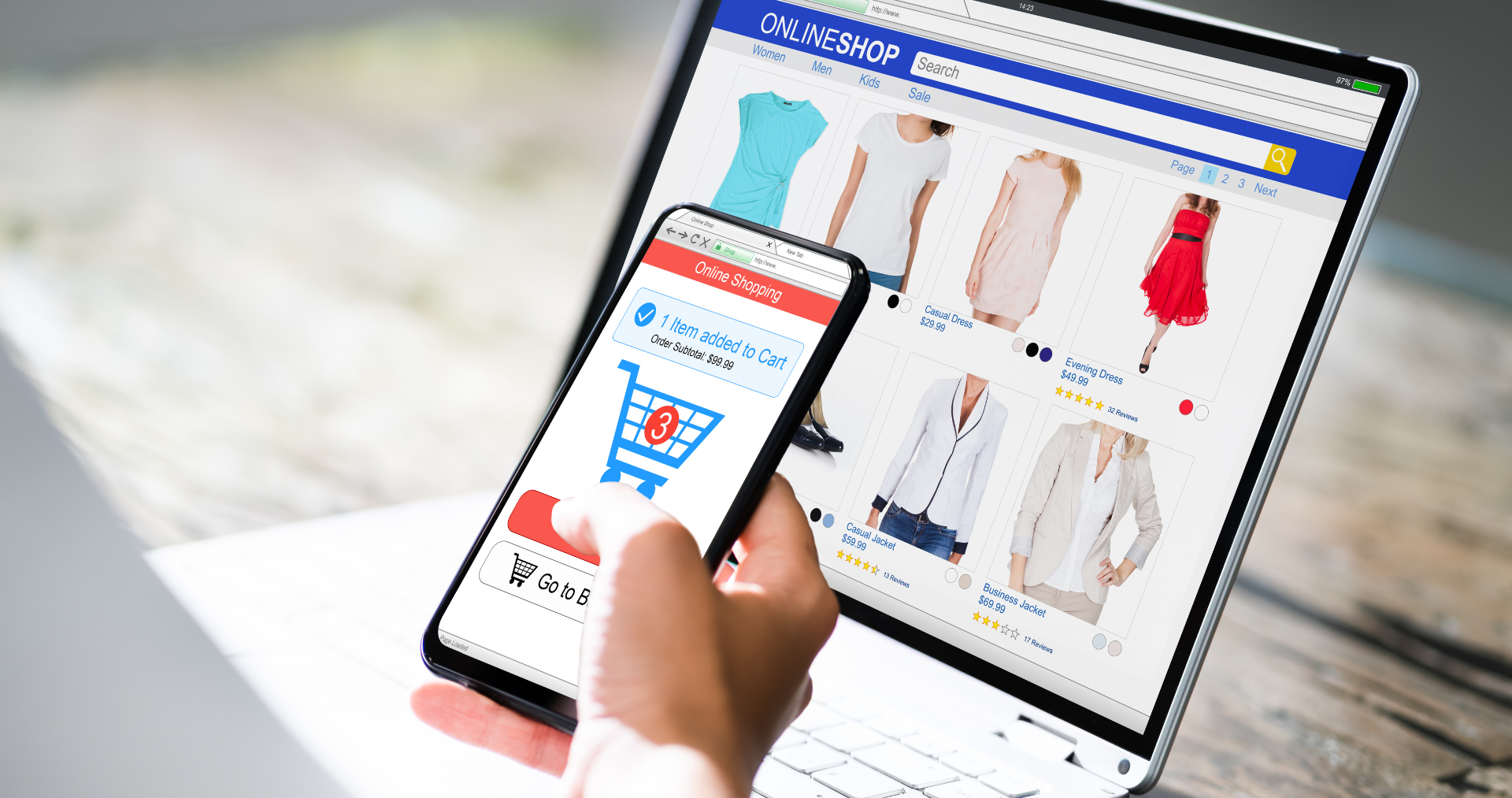
Ecommerce has transformed the way businesses reach customers, but it has also introduced a new level of operational complexity. What once began as a straightforward process of selling and shipping products has evolved into a multi-layered system involving inventory management, order processing, customer expectations, and rapid delivery timelines.
As brands grow, these moving parts become increasingly difficult to manage internally. The challenge is no longer just about selling more products. It is about fulfilling those orders efficiently, accurately, and at scale. This is where integrated fulfillment partners are stepping in, offering a smarter, more cohesive approach to logistics that aligns with the demands of modern commerce.
The Growing Complexity of Ecommerce Operations
In the early stages, many ecommerce businesses handle fulfillment in-house. It allows for control, flexibility, and cost management. However, as order volumes increase and sales channels expand, this approach begins to show its limits.
Managing inventory across multiple platforms can lead to inconsistencies. Manual processes introduce delays and errors. Shipping logistics become harder to coordinate, especially when customers expect fast and reliable delivery. The operational burden starts to pull focus away from core business activities such as marketing, product development, and customer engagement.
This complexity is not just a growing pain. It is a turning point. Brands must decide whether to continue managing logistics internally or partner with specialists who can handle the scale and sophistication required.
What Makes Fulfillment “Integrated”
Integrated fulfillment goes beyond basic storage and shipping. It connects every stage of the order lifecycle into a unified system. From the moment a customer places an order to the final delivery, each step is coordinated through a seamless flow of information and processes.
At the heart of this model is synchronization. Inventory levels are updated in real time across all sales channels. Orders are automatically routed to the appropriate fulfillment centers. Shipping decisions are optimized based on speed, cost, and location.
This level of integration eliminates silos and reduces the friction that often slows down traditional fulfillment operations. It creates a cohesive environment where every component works together efficiently.
The Role of Technology in Scaling Operations
Technology is the driving force behind integrated fulfillment. Advanced systems enable automation, real-time visibility, and data-driven decision-making, all of which are essential for scaling ecommerce operations.
Automation streamlines repetitive tasks such as order processing, inventory updates, and shipping label generation. This not only speeds up operations but also minimizes the risk of human error. Real-time dashboards provide clear insights into performance, allowing businesses to monitor key metrics and respond quickly to changes.
Perhaps most importantly, integration with ecommerce platforms ensures that orders flow directly into the fulfillment system without manual intervention. This creates a smooth and efficient pipeline that can handle increasing volumes without breaking down.
Faster Delivery Without Operational Strain
Customer expectations around delivery have shifted dramatically. Fast shipping is no longer a premium feature. It is an expectation. Meeting this demand can be challenging for brands that rely on limited infrastructure or manual processes.
Integrated fulfillment partners address this by leveraging distributed networks and optimized workflows. Orders can be processed closer to the customer, reducing transit times. Automated systems ensure that orders are picked, packed, and shipped with minimal delay.
This approach allows brands to offer faster delivery without overextending their internal resources. It creates a balance between speed and efficiency that is difficult to achieve independently.
Multi-Channel Consistency Made Simple
Modern ecommerce brands rarely operate on a single platform. They sell through their own websites, online marketplaces, and sometimes physical retail channels. Each platform introduces unique requirements and potential complications.
Integrated fulfillment partners simplify this landscape by centralizing operations. Instead of managing each channel separately, businesses can rely on a unified system that handles orders and inventory across all platforms.
This ensures consistency in stock levels, pricing, and delivery performance. It also reduces the risk of overselling or stockouts, which can damage customer trust. For brands aiming to expand their reach, this level of coordination is essential.
Turning Logistics into a Growth Enabler
One of the most significant benefits of integrated fulfillment is the shift in how logistics is perceived within a business. Rather than being a logistical hurdle, it becomes a driver of growth.
With fulfillment handled efficiently, businesses can focus on scaling their core activities. Marketing campaigns can be executed with confidence, knowing that increased demand can be managed. New product launches can be supported without overwhelming operations. Expansion into new markets becomes more feasible.
This transformation allows brands to move faster and make strategic decisions with greater confidence.
Cost Efficiency Through Optimization
At first glance, outsourcing fulfillment may seem like an added expense. However, integrated fulfillment often leads to cost savings in the long run.
By optimizing shipping routes, reducing errors, and improving inventory management, businesses can lower operational costs. Automation reduces the need for manual labor, while efficient storage and handling minimize waste.
Additionally, the ability to scale without significant capital investment in infrastructure provides financial flexibility. Brands can grow without the burden of maintaining their own warehouses and logistics systems.
Challenges to Consider
While integrated fulfillment offers clear advantages, it is not without its considerations. Choosing the right partner is critical. Businesses must evaluate factors such as technology capabilities, reliability, scalability, and transparency.
Integration with existing systems should be smooth and well-supported. Clear communication and defined service levels are essential to ensure alignment between the brand and the fulfillment partner.
It is also important to maintain visibility into operations. Even when outsourcing, businesses should have access to real-time data and performance metrics to stay informed and in control.
The Future of Ecommerce Fulfillment
As ecommerce continues to evolve, the role of integrated fulfillment partners will only become more prominent. Advances in automation, data analytics, and network optimization will further enhance their capabilities.
The future points toward even greater connectivity, where supply chains operate as intelligent ecosystems rather than isolated functions. Businesses that embrace this shift will be better positioned to meet customer expectations and adapt to changing market conditions.
Integrated fulfillment is not just a solution for today’s challenges. It is a foundation for long-term growth.
Conclusion
Ecommerce success is no longer defined solely by the ability to attract customers. It depends equally on the ability to deliver products quickly, accurately, and consistently.
Integrated fulfillment partners provide the infrastructure and technology needed to achieve this at scale. By connecting processes, automating workflows, and offering real-time visibility, they transform logistics into a powerful engine for growth.
For brands looking to scale without losing control or efficiency, the move toward integrated fulfillment is not just a trend. It is a strategic decision that shapes the future of their business.