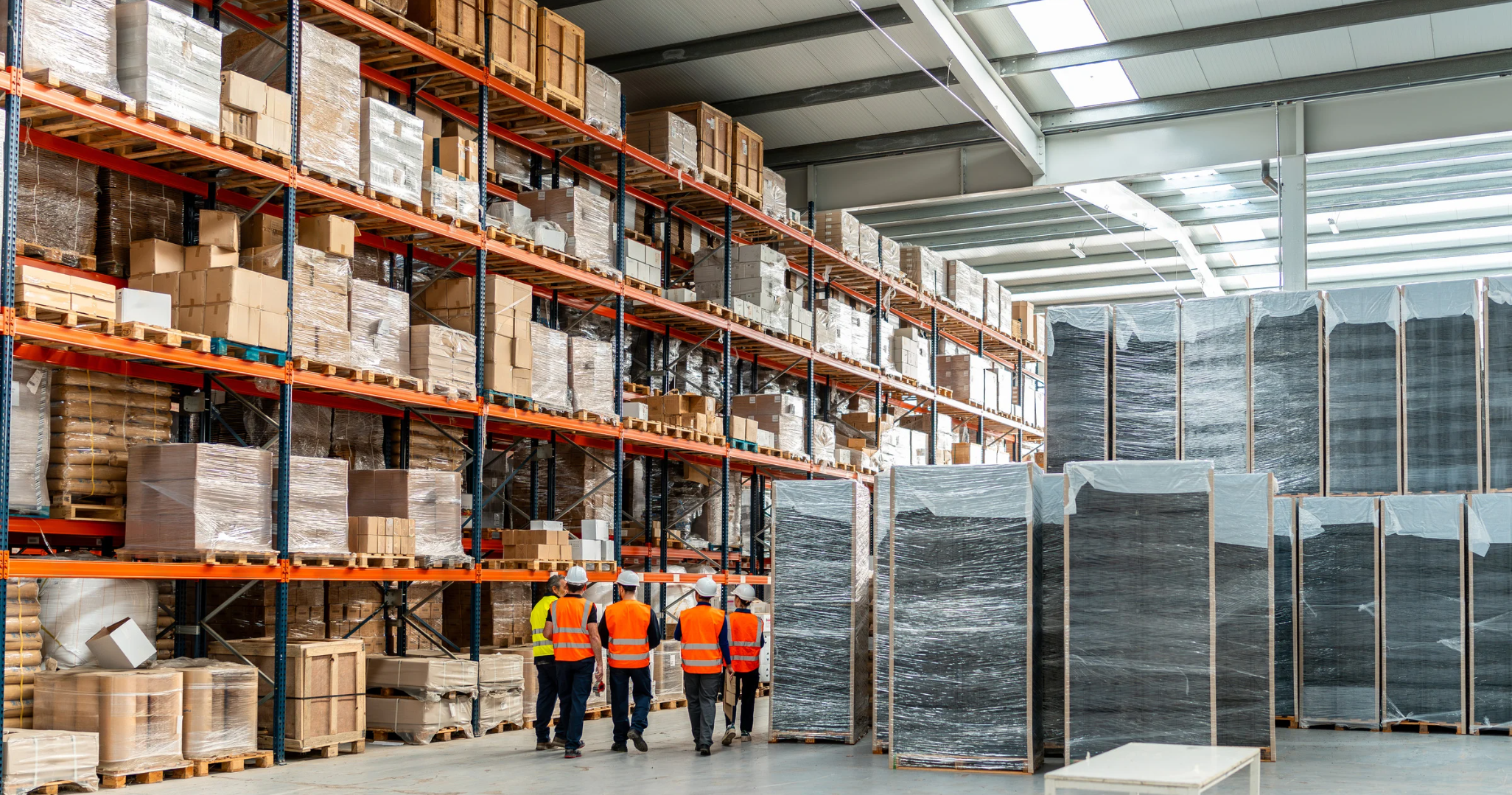

Growth is often celebrated as a clear sign of success. More customers, more orders, and broader reach all point in the right direction. Yet behind that momentum lies a challenge that many businesses underestimate. Scaling distribution is not simply about doing more of the same. It requires a smarter, more coordinated approach to how products move from origin to customer.
This is where end to end logistics solutions are reshaping the landscape. By connecting every stage of the supply chain into a unified system, businesses are finding new ways to expand efficiently without losing control. The focus is no longer just on speed or cost. It is on building a distribution model that is flexible, data driven, and built for sustained growth.
The Complexity Behind Growth
As businesses scale, distribution becomes more complex. New markets introduce different customer expectations, shipping requirements, and regulatory considerations. Product lines expand, inventory becomes more diverse, and order volumes fluctuate more dramatically.
Without a cohesive strategy, these variables can create friction across the supply chain. Delays increase, inventory imbalances emerge, and operational costs begin to rise. What worked for a smaller operation often breaks down under the pressure of growth.
End to end logistics solutions address this complexity by creating alignment across the entire distribution network.
What End to End Logistics Really Means
End to end logistics is not just about connecting systems. It is about creating visibility and coordination from the moment raw materials enter the supply chain to the point where the final product reaches the customer.
This includes procurement, warehousing, inventory management, transportation, and last mile delivery. When these elements operate within a single framework, businesses gain a clear understanding of how each decision impacts the entire system.
Instead of isolated actions, distribution becomes a synchronized process where every step supports the next.
Real Time Visibility as a Competitive Advantage
One of the most significant benefits of an end to end approach is real time visibility. Businesses can monitor inventory levels, track shipments, and assess performance across multiple locations simultaneously.
This transparency allows for faster and more informed decision making. If inventory levels drop in one region, stock can be reallocated before shortages occur. If a shipment is delayed, alternative routes or carriers can be activated immediately.
Visibility reduces uncertainty and replaces it with actionable insight. In a fast moving market, that clarity becomes a powerful advantage.
Data Driven Optimization
Modern logistics solutions are built on data. Every transaction, movement, and interaction generates information that can be analyzed to improve performance.
Businesses use this data to identify inefficiencies, forecast demand, and optimize inventory placement. Patterns that were once difficult to detect become clear, enabling more precise planning.
For example, demand trends can inform where products should be stored to minimize delivery times. Transportation data can reveal opportunities to consolidate shipments and reduce costs. Over time, these incremental improvements compound into significant gains.
Optimization is no longer a periodic effort. It is an ongoing process driven by continuous data analysis.
Integrated Technology Streamlining Operations
Technology plays a central role in enabling end to end logistics. Integrated platforms bring together warehouse management, transportation systems, and order processing into a single interface.
This integration eliminates manual handoffs and reduces the risk of errors. Information flows seamlessly between departments, ensuring that everyone is working with the same data.
Automation further enhances efficiency. Routine tasks such as order routing, inventory updates, and shipment scheduling can be handled with minimal human intervention. This not only speeds up operations but also allows teams to focus on strategic initiatives.
The result is a distribution system that operates with greater precision and consistency.
Flexible Networks Supporting Growth
Scalability requires flexibility. As demand changes, businesses need the ability to adjust their distribution networks quickly.
End to end logistics solutions make this possible by supporting dynamic network design. Companies can add new fulfillment centers, integrate additional carriers, and expand into new regions without disrupting existing operations.
This flexibility extends to inventory management as well. Businesses can balance stock across multiple locations, ensuring that products are positioned closer to customers while minimizing excess inventory.
A flexible network adapts to growth rather than being constrained by it.
Enhancing the Customer Experience
Distribution is not just an operational function. It is a critical component of the customer experience.
Fast, reliable delivery has become a baseline expectation. Customers also want accurate tracking information and consistent service across every order.
End to end logistics solutions enable businesses to meet these expectations. With improved coordination and visibility, orders are processed more quickly and delivered more reliably. Customers receive timely updates, which builds trust and confidence.
In a competitive market, a strong distribution strategy can be a key differentiator.
Managing Costs Without Sacrificing Performance
Scaling often brings concerns about rising costs. More volume can lead to higher transportation expenses, increased labor requirements, and greater inventory holding costs.
An end to end approach helps manage these pressures by improving efficiency at every stage. Optimized routing reduces fuel consumption and transit times. Better inventory placement minimizes storage costs and prevents overstocking. Automation lowers labor intensity while maintaining accuracy.
By aligning operations across the supply chain, businesses can scale without allowing costs to spiral out of control.
The Role of Strategic Decision Making
While technology and data are essential, strategic decision making remains at the core of successful distribution. Leaders must determine how to structure their networks, prioritize investments, and respond to market changes.
End to end logistics solutions provide the insights needed to make these decisions with confidence. They offer a clear view of performance metrics, potential risks, and opportunities for improvement.
This clarity allows businesses to move from reactive problem solving to proactive planning. Instead of responding to challenges after they occur, they can anticipate and address them in advance.
Looking Ahead
The future of distribution will continue to be shaped by innovation. Advances in artificial intelligence, predictive analytics, and automation will further enhance the capabilities of end to end logistics systems.
As these technologies evolve, businesses will gain even greater control over their supply chains. Distribution networks will become more responsive, more efficient, and more resilient.
Those who invest in integrated solutions today will be better positioned to adapt to the demands of tomorrow.
Final Thoughts
Scaling distribution is one of the most complex challenges a growing business can face. It requires more than increased capacity. It demands a smarter, more connected approach to logistics.
End to end logistics solutions provide the framework for this transformation. By unifying operations, leveraging data, and enabling flexibility, they allow businesses to grow with confidence and control.
In a world where customer expectations continue to rise, the ability to deliver efficiently and reliably is a defining factor of success. Businesses that scale smarter are not just expanding their reach. They are building distribution systems designed to thrive in an ever changing landscape.