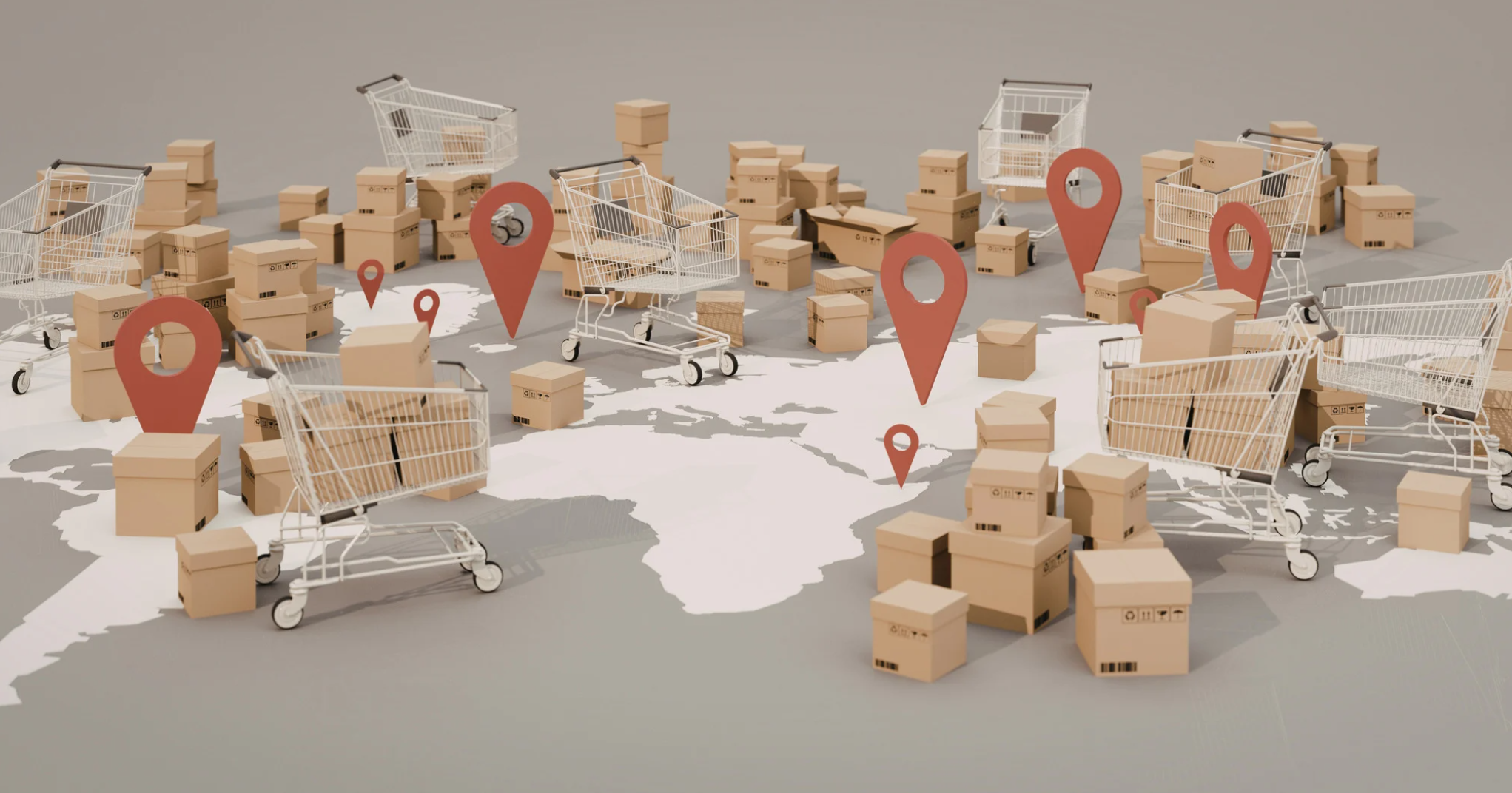
The logistics landscape is undergoing a quiet but profound transformation. What was once a straightforward relationship between businesses and third-party logistics providers has evolved into something far more strategic. Today’s 3PL providers are no longer just facilitators of transportation and warehousing. They are becoming deeply integrated partners, shaping how companies design, manage, and scale their entire supply chains.
This shift is not accidental. It is driven by rising customer expectations, increasing operational complexity, and the relentless push for efficiency. Businesses are realizing that logistics is no longer a back-end function. It is a competitive advantage. And 3PL providers are stepping up to meet that demand.
From Operational Support to Strategic Collaboration
Traditionally, 3PL providers focused on execution. Their role was clear: move goods from point A to point B, manage storage, and ensure timely delivery. While this function remains essential, it is no longer sufficient in a market that demands agility, visibility, and resilience.
Modern supply chains are interconnected ecosystems. Disruptions in one area can ripple across the entire operation. As a result, companies are seeking partners who can anticipate challenges, provide insights, and offer solutions before problems escalate.
3PL providers have responded by expanding their capabilities beyond logistics execution. They are now involved in supply chain design, demand planning, inventory optimization, and even customer experience management. This transition marks a fundamental shift from service provider to strategic advisor.
Technology as the Catalyst for Transformation
At the heart of this evolution is technology. Advanced systems have enabled 3PL providers to move from reactive operations to proactive management.
Warehouse management systems, transportation management platforms, and real-time tracking tools provide unprecedented visibility across the supply chain. Data analytics allows providers to identify inefficiencies, forecast demand, and optimize routes with precision.
More importantly, integration capabilities have improved dramatically. 3PL providers can now seamlessly connect with a client’s internal systems, creating a unified flow of information. This level of synchronization enables faster decision-making and greater operational alignment.
Artificial intelligence and automation are further accelerating this transformation. Predictive analytics can anticipate disruptions, while automation reduces manual errors and improves speed. These technologies are not just enhancing performance. They are redefining what clients expect from their logistics partners.
Expanding Service Offerings Beyond Logistics
The modern 3PL provider offers a suite of services that extends far beyond transportation and warehousing.
Many now provide value-added services such as kitting, packaging customization, reverse logistics, and order fulfillment. For e-commerce businesses, this is particularly valuable. The ability to manage returns efficiently and personalize packaging can significantly impact customer satisfaction.
Some 3PL providers are also venturing into areas like procurement support and supplier management. By offering end-to-end solutions, they help businesses streamline operations and reduce the need for multiple vendors.
This consolidation of services simplifies supply chain management. It allows companies to focus on their core competencies while relying on a single partner to handle complex logistics functions.
The Rise of Data-Driven Decision Making
Data has become a central asset in modern supply chains. 3PL providers are uniquely positioned to harness this data and turn it into actionable insights.
With access to vast amounts of operational information, they can identify trends, detect inefficiencies, and recommend improvements. This goes beyond reporting. It is about enabling smarter decisions at every level of the organization.
For example, data analysis can reveal patterns in customer demand, helping businesses adjust inventory levels and avoid stockouts. It can also highlight bottlenecks in transportation networks, allowing for more efficient routing.
By providing these insights, 3PL providers are helping companies move from reactive problem-solving to proactive optimization.
Building Resilience in a Volatile World
Recent global events have underscored the importance of supply chain resilience. Disruptions such as pandemics, geopolitical tensions, and natural disasters have exposed vulnerabilities in even the most established systems.
3PL providers play a critical role in building resilience. Their extensive networks and expertise allow them to quickly adapt to changing conditions. Whether it is rerouting shipments, finding alternative suppliers, or adjusting inventory strategies, they provide the flexibility that businesses need to navigate uncertainty.
Moreover, their ability to monitor global trends and anticipate risks adds an additional layer of protection. This proactive approach helps companies stay ahead of potential disruptions rather than reacting after the fact.
A Shift Toward Partnership and Trust
As 3PL providers take on more strategic responsibilities, the nature of the relationship with clients is changing. It is no longer a transactional arrangement. It is a partnership built on trust, transparency, and shared goals.
Successful collaborations require alignment at multiple levels. Clear communication, data sharing, and mutual accountability are essential. When these elements are in place, the 3PL provider becomes an extension of the client’s organization.
This level of integration fosters innovation. It encourages both parties to explore new approaches, test ideas, and continuously improve performance.
What This Means for Businesses
For companies evaluating their logistics strategies, this evolution presents both opportunities and challenges.
Choosing the right 3PL provider is no longer just about cost and capacity. It is about finding a partner with the right capabilities, technology, and cultural fit. Businesses need to assess whether a provider can support their long-term goals and adapt to future demands.
There is also a need for internal alignment. To fully leverage the benefits of a strategic 3PL partnership, organizations must be willing to share data, collaborate closely, and embrace new ways of working.
When done effectively, the results can be transformative. Improved efficiency, enhanced customer experience, and greater resilience are just the beginning.
Looking Ahead: The Future of 3PL
The evolution of 3PL providers is far from complete. As supply chains continue to grow in complexity, their role will become even more integral.
We can expect further advancements in technology, deeper integration with client operations, and an increased focus on sustainability. Environmental considerations are already influencing logistics decisions, and 3PL providers are developing solutions to reduce carbon footprints and improve energy efficiency.
Ultimately, the future of logistics will be defined by collaboration. Companies that view their 3PL providers as strategic partners rather than service vendors will be better positioned to thrive in an increasingly competitive market.
Conclusion
The transformation of 3PL providers into full-service supply chain partners reflects a broader shift in how businesses approach logistics. It is no longer just about moving goods. It is about creating value at every stage of the supply chain.
By embracing technology, expanding their services, and fostering deeper partnerships, 3PL providers are redefining their role in the modern economy. For businesses willing to adapt, this evolution offers a powerful opportunity to build smarter, more resilient, and more efficient supply chains.
The journey beyond shipping has begun, and it is reshaping the future of logistics in ways that were once unimaginable.