
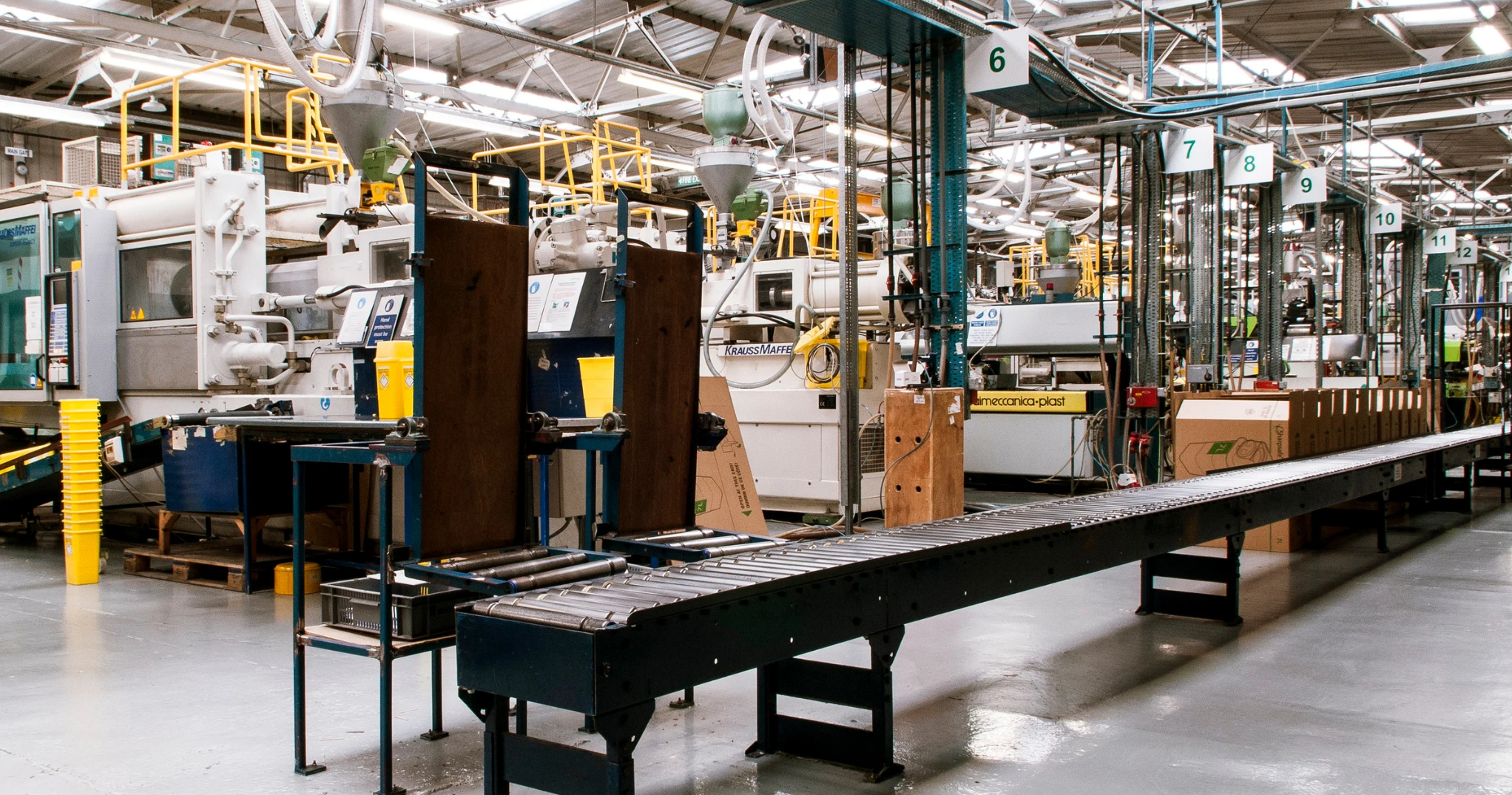
As businesses grow, operational complexity grows with them. What begins as a manageable process of storing products, packing orders, and coordinating shipments can quickly evolve into a demanding logistical challenge that consumes time, money, and internal resources.
For many companies, especially in eCommerce, retail, and product distribution, warehousing and logistics eventually become barriers to growth rather than drivers of efficiency. Inventory becomes difficult to track, shipping delays increase, operational costs rise, and customer expectations continue to climb.
This is why outsourcing warehousing and logistics operations has become an increasingly popular strategy for modern businesses.
By partnering with experienced third party logistics providers, companies can streamline fulfillment processes, improve inventory visibility, reduce operational stress, and focus more attention on growth initiatives that directly impact revenue.
Outsourcing is no longer viewed simply as a cost saving tactic. It has become a strategic business decision that helps brands scale more efficiently in competitive markets.
What Does Outsourcing Warehousing and Logistics Mean?
Outsourcing warehousing and logistics involves partnering with an external company to manage some or all aspects of inventory storage, order fulfillment, shipping coordination, and supply chain operations.
Instead of operating a private warehouse and handling fulfillment internally, businesses rely on specialized logistics providers to manage these functions on their behalf.
Services commonly included in outsourced logistics partnerships include:
- Inventory receiving
- Product storage
- SKU management
- Order picking and packing
- Shipping coordination
- Returns processing
- Inventory reporting
- Fulfillment tracking
- Distribution management
Many providers also offer technology platforms that give businesses real time visibility into inventory levels and fulfillment performance.
This allows companies to maintain operational control without carrying the burden of managing logistics infrastructure independently.
Why Businesses Are Moving Away From In House Fulfillment
In house warehousing can work effectively during the early stages of a business. However, as order volume increases and operations become more complex, internal fulfillment systems often struggle to keep pace.
Several common challenges push businesses toward outsourcing.
Rising Operational Costs
Running a warehouse involves far more than renting storage space.
Businesses must also manage:
- Labor costs
- Equipment expenses
- Warehouse technology
- Insurance
- Shipping supplies
- Utilities
- Inventory management systems
As operations expand, these costs increase significantly.
Outsourcing allows businesses to convert many fixed operational expenses into more flexible service based costs.
Limited Scalability
One of the biggest limitations of in house fulfillment is scalability.
Businesses experiencing rapid growth may quickly outgrow existing warehouse capacity or staffing capabilities.
Seasonal spikes can create additional pressure, leading to delays, fulfillment errors, and employee burnout.
Third party logistics providers are typically designed to handle fluctuating order volume more efficiently.
Inventory Management Challenges
Inventory accuracy becomes increasingly difficult as product catalogs grow.
Without organized warehouse systems and centralized tracking, businesses often encounter:
- Misplaced inventory
- Overselling
- Stock discrepancies
- Delayed restocking
- Fulfillment mistakes
Professional logistics providers usually operate structured inventory management systems that improve visibility and reduce operational errors.
Shipping Complexity
Shipping operations become more complicated as businesses expand into new markets, add product lines, or serve multiple sales channels.
Managing carrier relationships, shipping rates, packaging standards, and delivery timelines internally can quickly become overwhelming.
Outsourced logistics providers often have established shipping networks and operational processes that improve fulfillment efficiency.
The Benefits of Outsourcing Warehousing and Logistics
Outsourcing offers several advantages that extend beyond operational convenience.
For many businesses, it creates opportunities for long term scalability and improved customer satisfaction.
Improved Operational Efficiency
Third party logistics providers specialize in warehousing and fulfillment.
Because logistics is their core focus, they often operate with systems and processes specifically designed to maximize efficiency.
This includes:
- Structured receiving procedures
- Organized inventory storage
- Standardized fulfillment workflows
- Automated tracking systems
- Optimized warehouse layouts
As a result, businesses often experience faster fulfillment times and fewer operational errors.
Better Inventory Visibility
Modern logistics providers frequently offer centralized fulfillment platforms that allow businesses to monitor inventory and operational activity in real time.
This visibility helps businesses:
- Track inventory levels
- Monitor order status
- Forecast inventory demand
- Identify operational issues early
- Improve purchasing decisions
Access to accurate operational data supports smarter business planning and more proactive inventory management.
Faster Scalability
One of the greatest advantages of outsourcing is the ability to scale operations without building additional internal infrastructure.
Businesses can increase order volume without needing to:
- Lease larger warehouse space
- Hire warehouse staff
- Invest in new systems
- Expand shipping operations internally
This flexibility becomes particularly valuable during periods of rapid growth or seasonal demand increases.
Enhanced Customer Experience
Customers rarely think about warehousing directly, but they immediately notice fulfillment problems.
Late deliveries, incorrect orders, and stock shortages can damage customer trust quickly.
Outsourcing to an experienced logistics partner often improves:
- Shipping speed
- Order accuracy
- Inventory consistency
- Tracking transparency
These improvements contribute to a smoother customer experience and stronger brand reputation.
Access to Specialized Expertise
Warehousing and logistics require operational expertise that many growing businesses simply do not possess internally.
Third party logistics providers understand:
- Inventory optimization
- Shipping workflows
- Warehouse organization
- Packaging standards
- Fulfillment efficiency
- Distribution strategies
By outsourcing, businesses gain access to experienced logistics professionals without needing to build entire operational departments themselves.
How to Choose the Right Logistics Partner
Not all logistics providers operate the same way. Choosing the right partner is critical for long term success.
Businesses should evaluate several key factors before outsourcing fulfillment operations.
Technology and Reporting Capabilities
Visibility matters.
Look for providers that offer centralized fulfillment dashboards, inventory reporting, and real time operational tracking.
Strong technology infrastructure improves communication and operational transparency.
Scalability
A logistics partner should be capable of supporting future growth, not just current order volume.
Consider whether the provider can handle:
- Increased inventory
- Seasonal demand spikes
- Multi channel fulfillment
- Product expansion
- Geographic growth
Industry Experience
Different industries have different operational requirements.
Businesses should evaluate whether the provider has experience managing similar products, shipping standards, or fulfillment complexities.
Operational Accuracy
Fulfillment accuracy directly affects customer satisfaction.
Ask about inventory control processes, quality assurance procedures, and order accuracy rates.
Communication and Support
Strong communication is essential in logistics partnerships.
Businesses should work with providers that offer responsive support and clear operational updates.
Common Misconceptions About Outsourcing
Despite its advantages, some businesses hesitate to outsource logistics because of common misconceptions.
“We Will Lose Control”
In reality, modern fulfillment platforms often provide greater visibility than many internal systems.
Businesses maintain oversight through centralized reporting and inventory tracking tools.
“It Is Only for Large Companies”
Outsourcing is increasingly common among small and mid sized businesses.
Many growing brands use logistics providers specifically because they lack the resources to build internal fulfillment infrastructure.
“It Is Too Expensive”
While outsourcing involves service costs, it often reduces overhead associated with warehousing, staffing, and operational inefficiencies.
For many businesses, outsourcing becomes more cost effective as order volume grows.
The Future of Logistics and Fulfillment
The logistics industry continues evolving rapidly.
Consumer expectations for fast shipping, inventory transparency, and operational reliability are higher than ever before.
At the same time, businesses face increasing pressure to scale efficiently while controlling costs.
Technology driven fulfillment systems, centralized inventory management, and outsourced logistics partnerships are becoming foundational elements of modern commerce.
Companies that rely solely on manual or fragmented operational systems may struggle to compete as fulfillment demands become more sophisticated.
Outsourcing allows businesses to access advanced logistics capabilities without carrying the full operational burden internally.
Final Thoughts
Warehousing and logistics are no longer simple backend operations. They play a direct role in customer satisfaction, operational efficiency, and long term business growth.
As businesses scale, managing fulfillment internally often becomes increasingly complex and resource intensive.
Outsourcing warehousing and logistics operations provides a practical solution for companies seeking greater efficiency, improved visibility, and scalable fulfillment support.
With the right logistics partner, businesses can streamline operations, reduce operational stress, and create a stronger foundation for sustainable growth.
Most importantly, outsourcing allows companies to focus less on logistical complexity and more on innovation, customer relationships, and strategic expansion.